Despertar Cósmico

Unity in Diversity: The Importance of Understanding We Are One in the World
2/1/20264 min read
The Concept of Oneness in a Diverse World
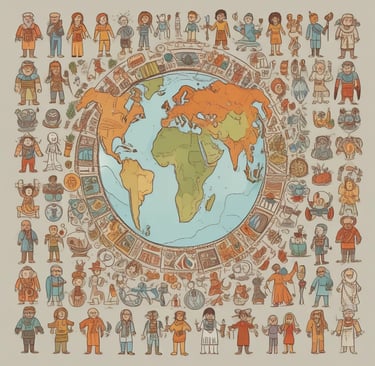
In an increasingly interconnected global society, the concept of oneness refers to the understanding that all human beings, regardless of their cultural, ethnic, or geographical backgrounds, share a fundamental bond. This bond is rooted in common experiences, emotions, and aspirations, which transcend the individual differences that define diverse communities. Recognizing our shared humanity fosters an environment where empathy and compassion can flourish, permitting individuals to appreciate their collective identity as members of a larger family.
The idea of oneness is often supported by philosophical and spiritual frameworks that underline the essential connection between people. Many philosophical perspectives advocate that the essence of being human is embedded in our relationships with one another. This view encourages the celebration of diversity, not as a barrier, but as an enriching element of our shared existence. By embracing these connections, individuals can cultivate a sense of belonging that bridges cultural divides.
Furthermore, from a spiritual standpoint, various traditions speak to the inherent oneness of all life. Concepts such as interdependence highlight how the actions and wellbeing of one individual can directly impact another, resonating throughout communities and societies. Spiritual teachings often promote the idea that true fulfillment comes from recognizing our interconnectedness, leading to mutual respect and understanding. Such recognition inspires individuals to act with consideration and compassion, promoting peaceful coexistence.
Ultimately, by nurturing an awareness of our shared experiences and the bonds that unite us, we can eliminate misconceptions and foster stronger connections among diverse populations. This commitment to oneness not only enhances personal relationships but also contributes to the development of a more harmonious global community, where empathy and acceptance can thrive, allowing humanity to work as one.
Cultural Respect and Its Role in Global Harmony
In an increasingly interconnected world, cultural respect is vital for fostering global harmony and understanding. Taking the time to honor and appreciate diverse cultures contributes to improved interpersonal relationships among individuals and communities. When we respect other cultures, we open ourselves to a wealth of practices, traditions, and perspectives that enrich our own experiences. This appreciation diminishes misconceptions and stereotypes that often lead to conflict, thereby promoting peaceful coexistence.
For instance, initiatives that emphasize cultural exchange programs allow individuals to immerse themselves in foreign customs and traditions. These programs often lead to mutual understanding and respect. Participants return home with a deeper appreciation for the values and beliefs of others, facilitating dialogues that can dissolve existing barriers. In workplaces, promoting cultural respect through diversity training encourages employees to learn about and appreciate their colleagues' backgrounds, which can foster collaboration and innovation.
Furthermore, cultural respect can significantly impact social harmony. Celebrating cultural diversity through festivals, art forms, and academic discourse enhances community bonds. Such celebrations allow individuals from different backgrounds to learn from one another, nurturing a sense of solidarity and shared identity. Additionally, strong cultural respect often leads to advocacy for marginalized groups, ensuring that their voices are heard in society. This acknowledgment not only validates their existence but also encourages enlightenment and transformational change within communities.
Embracing cultural diversity is not merely about tolerance; it is an active commitment to understanding and valuing differences. As individuals and communities grow in their commitment to cultural respect, they contribute meaningfully to global harmony—a fundamental necessity in today's multifaceted world. Through shared respect and appreciation, we build a foundation that supports lasting peace and collaboration among diverse populations everywhere.
Challenges to Understanding and Respecting Differences
In an increasingly interconnected world, the challenges to understanding and respecting cultural differences are profound and multifaceted. One key barrier is the prevalence of stereotypes, which often arise from oversimplified and generalized beliefs about particular groups. These preconceived notions can lead to misrepresentations and limit individuals' ability to appreciate the vast diversity within cultures. For instance, the stereotype that a certain culture is homogeneous ignores the rich variety of traditions, beliefs, and practices that exist within it.
Prejudice, which refers to preconceived opinions that are not based on reason or actual experience, also plays a significant role in hindering mutual respect. It can manifest in various forms, including discrimination based on race, ethnicity, gender, or sexual orientation. Such biases not only affect interpersonal relationships but can also permeate institutional frameworks, resulting in systemic inequalities. Addressing prejudice requires a commitment to education and self-reflection, encouraging individuals to confront their biases and develop a more inclusive mindset.
Cultural appropriation presents another layer of complexity in the discourse surrounding respect for diversity. This occurs when elements of one culture are borrowed or used by individuals from another culture, often without an understanding or acknowledgment of their significance. When cultural symbols are commodified for entertainment or fashion, it risks trivializing the rich history and meanings behind them. Fostering understanding and respect means recognizing the importance of cultural context and engaging with traditions in a respectful manner.
Ultimately, overcoming these barriers necessitates a collective effort to promote empathy, awareness, and education. Engaging in constructive dialogue and creating safe spaces to discuss cultural differences can pave the way for deeper understanding and respect, crucial for achieving unity in diversity.
Promoting Global Unity Through Education and Awareness
In the quest for global unity, education and awareness play pivotal roles in fostering a mindset that embraces diversity. Schools are not merely institutions for academic learning; they are fundamental in shaping attitudes towards cultural respect and inclusivity. By integrating multicultural education into the curriculum, educators can provide students with the knowledge and perspectives necessary to appreciate cultural differences, thereby promoting empathy and understanding.
Communities also have a critical role in this process. Local organizations can initiate workshops and events that celebrate different cultures, encouraging community members to engage in open dialogue about their experiences and backgrounds. Such initiatives can demystify cultural differences and dissolve preconceived notions, ultimately leading to a more cohesive social fabric. Community discussions and events provide an excellent platform for individuals to share their stories, emphasizing the shared human experience.
The media serves as another influential force in cultivating global unity. Through responsible reporting and representation of diverse cultures, media outlets can challenge stereotypes and promote narratives that showcase the richness of cultural diversity. It is essential for content creators and journalists to focus on inclusive storytelling that highlights commonalities rather than differences, thus echoing the message that we are all interconnected in our humanity.
Practical strategies for encouraging conversations around cultural respect include facilitating workshops in schools, utilizing community spaces for cultural exhibitions, and promoting initiatives that emphasize the importance of global citizenship. Encouraging schools and local organizations to collaborate can amplify the impact of these strategies, creating a networked approach towards promoting unity. By prioritizing education and awareness, we can move towards a society that embodies the principle of unity in diversity, recognizing that our differences enrich the human experience.
© 2026. All rights reserved.
Terms and conditions